All Categories
Featured
Table of Contents
Rv Paint Repair West Covina, CA
If you're bound and established to remove the specialists and make this a DIY job, this little overview will establish you on the ideal track. A rig with a fresh layer of outside RV paint is a beautiful point, specifically if you are accountable for it. Nevertheless, outside paints, especially in recreational vehicle and marine applications, included a degree of clinical refinement.
When you atomize your paint with an HVLP or airless sprayer, it needs to bond to the surface at a molecular degree. Without correct preparation, it can not bond - Painting Fiberglass Motorhome West Covina. The results will look wonderful, a minimum of till the first bump comes along and a whole sheet of paint diminishes. Prep work is key long prior to you begged the paint aisle at the hardware shop.
Just how the surface is opened up depends upon the product. Light weight aluminum and fiberglass are both outsides that control the market. It's commonly less regarding the material of the sidewalls and more concerning the initial paint. Many customers leaping on the Do it yourself paint work bandwagon are enhancing an existing visual, not repainting the raw fiberglass or light weight aluminum surface area of a Recreational vehicle.
Painting Rv Exterior West Covina, CA
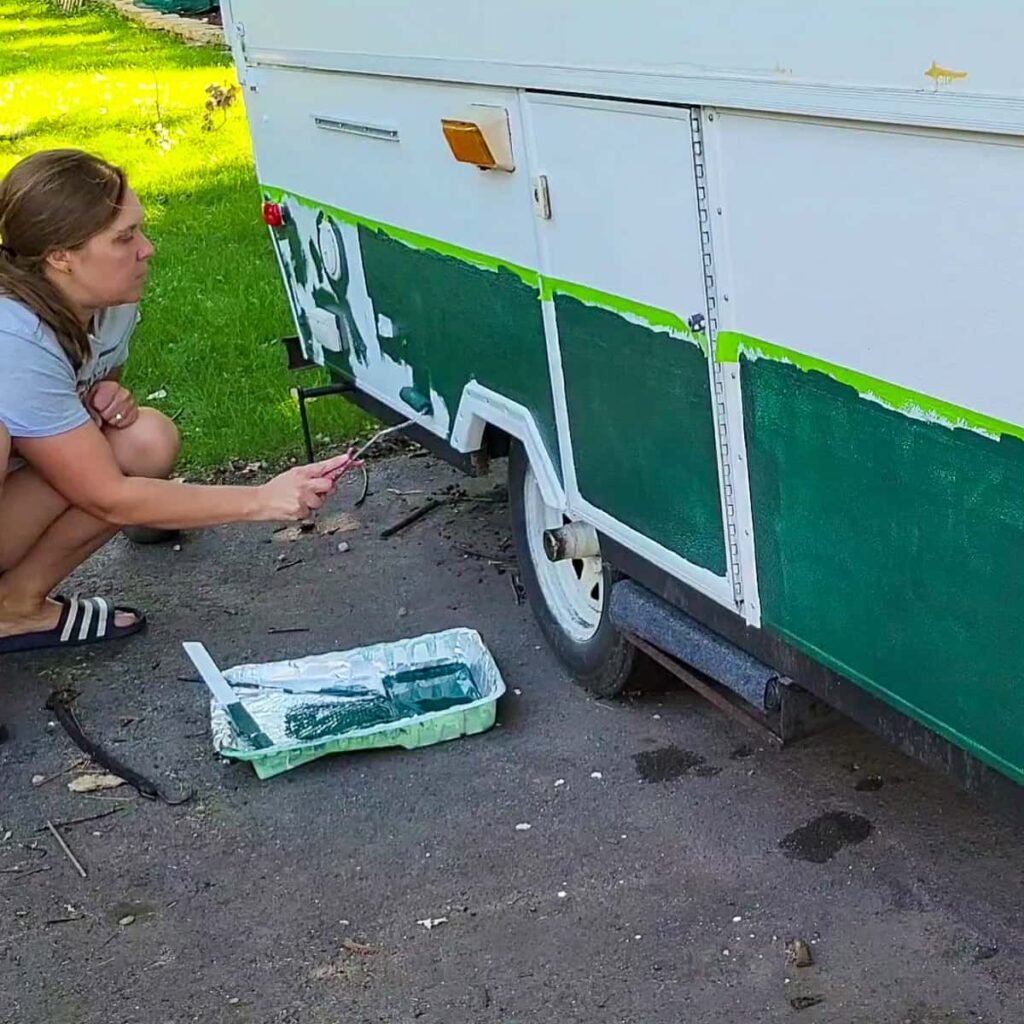
If you are painting the raw surface area, we have actually got you covered there. Your substratum will certainly often be old paint unless you take place to be repainting Motor homes as they come off the assembly line. There are 2 points you need to know that are of the utmost relevance in terms of paint sturdiness, longevity, and a superb aesthetic: surface area preparation and bonding guide.
Yes, it will certainly double the expense of a DO IT YOURSELF motor home paint work, however it will certainly also conserve you a great deal of cash and heartache in the near future. The remainder steams down to your topcoat of option. Which one is the best, and what do they all indicate? Polymer is a strong choice as an external RV paint, especially if you're painting the raw surface area of an aluminum recreational vehicle.
Since acrylic is a slim paint, it will typically set you back more for the added finishes. Polymer is generally made use of as a combo for exterior paints, such as acrylic-enamel.Latex is a water-based paint and, for the lengthiest time, oil-based paints have actually constantly been the go-to recreational vehicle outside paint of choice, or outside anything, for that matter.
Painting Rv West Covina, CA
It's hard to give this a strong 'yes,' though since long-term viability is still ever before so a little up in the air.Enamel is oil-based and provides the thickest solitary layer of the bunch. It dries out slowly, but it likewise dries out hard, creating a safety covering. Its slow drying time makes paint blunders reparable.
While temperature affects the treating procedure of external Motor home paint, there's still a home window in which most painting applications are optimal. It might seem unimportant, but it develops whole rows of thin paint that sandwich rows of thick paint in between them. Ensure that there will certainly be no negative weather events, to the best of your capacity, in the 24 hours following your paint job.
Rv Paint Shops Near Me West Covina, CA
There's no right or incorrect response when it comes to picking an expert Motor home paint task or going the Do it yourself paint path. If you decide to obtain your paint done expertly and are looking for a costs, premium service, check out CDI Custom Paint today and obtain a quote. If you would such as to try to eliminate the stickers, you will want to attempt the complying with materials: The appropriate method to repaint a Recreational vehicle outside includes getting rid of decals, power washing, taping and covering windows and after that spraying on an auto grade paint with a paint sprayer.
Rv Paint And Repair West Covina, CA

Those things would certainly NOT come off. Currently, the house siding on that particular particular trailer was wavy, not smooth. I assume eliminating decals from a smooth-sided trailer is easier. I swore that day never to waste that much time once more. I will certainly always inspect stickers and attempt to remove them, but if they appear like they aren't going anywhere and the camper is more than twenty years old, I will likely simply repaint over them.
I think getting rid of decals from a smooth-sided trailer is less complicated. I will always check stickers and effort to remove them, however if they look like they aren't going anywhere and the camper is more than 20 years old, I will likely just paint over them.
Paint Rv West Covina, CA
I think getting rid of decals from a smooth-sided trailer is easier. I will certainly constantly examine stickers and effort to eliminate them, yet if they look like they aren't going anywhere and the camper is more than 20 years old, I will likely simply paint over them.
I think removing decals from a smooth-sided trailer is less complicated. I will always check decals and attempt to remove them, but if they look like they aren't going anywhere and the camper is more than 20 years old, I will likely simply repaint over them.
OCRV Center
Address: 23281 La Palma Ave Yorba Linda, CA 92887Phone: (714) 909-1444
Email: [email protected]
OCRV Center
Those points would certainly NOT come off. Now, the exterior siding on that specific trailer was curly, not smooth. I believe getting rid of decals from a smooth-sided trailer is simpler. I swore that day never ever to squander that much time once again. I will certainly constantly examine decals and attempt to eliminate them, but if they resemble they aren't going anywhere and the camper is even more than twenty years old, I will likely just paint over them.
Rv Paint Repair West Covina, CAMotorhome Paint Shops West Covina, CA
Custom Painted Motorhomes West Covina, CA
Rv Paint And Repair West Covina, CA
Custom Rv Paint Jobs West Covina, CA
Rv Paint Shop Near Me West Covina, CA
Paint Fiberglass Rv West Covina, CA
Motorhome Painting West Covina, CA
Motorhome Custom Paint Jobs West Covina, CA
Painting Rv Exterior West Covina, CA
Rv Painting West Covina, CA
Rv Paint And Body Shops Near Me West Covina, CA
Paint Fiberglass Rv West Covina, CA
Rv Paint Job West Covina, CA
Class A Rv Custom Paint And Repair West Covina, CA
Rv Paint Shop Near Me West Covina, CA
Motorhome Custom Paint West Covina, CA
Motorhome Painting West Covina, CA
Painting Rv Walls West Covina, CA
Rv Painter West Covina, CA
Paint Rv West Covina, CA
Custom Painted Motorhomes West Covina, CA
Motorhome Custom Paint Jobs West Covina, CA
Painting Fiberglass Motorhome West Covina, CA
Rv Paint Shop Near Me West Covina, CA
Rv Exterior Paint West Covina, CA
Paint Fiberglass Rv West Covina, CA
Rv Painter West Covina, CA
Painting Rv Walls West Covina, CA
Motorhome Painting Near Me West Covina, CA
Rv Paint And Body Shops Near Me West Covina, CA
Motorhome Custom Paint West Covina, CA
Paint Motorhome Exterior West Covina, CA
Rv Painter West Covina, CA
Rv Paint Repair West Covina, CA
Rv Paint Job West Covina, CA
Painting Fiberglass Motorhome West Covina, CA
Rv Paint And Repair West Covina, CA
Rv Paint And Repair West Covina, CA
Custom Rv Paint Jobs West Covina, CA
Paint Fiberglass Rv West Covina, CA
Paint Fiberglass Rv West Covina, CA
Custom Motorhome Paint Jobs West Covina, CA
Painting Rv Walls West Covina, CA
Painting An Rv West Covina, CA
Class A Rv Custom Paint And Repair West Covina, CA
Painting An Rv West Covina, CA
Rv Exterior Paint West Covina, CA
Painting Rv West Covina, CA
Motorhome Paint Shops West Covina, CA
Custom Motorhome Paint Jobs West Covina, CA
Motorhome Painting West Covina, CA
Rv Paint And Body Shops Near Me West Covina, CA
Custom Motorhome Paint Jobs West Covina, CA
Paint Motorhome Exterior West Covina, CA
Painting An Rv West Covina, CA
Painting Rv Exterior West Covina, CA
Paint Rv West Covina, CA
Painting Fiberglass Motorhome West Covina, CA
Rv Exterior Paint West Covina, CA
Motorhome Custom Paint Jobs West Covina, CA
Class A Rv Custom Paint And Repair West Covina, CA
Rv Painting Near Me West Covina, CA
Custom Motorhome Paint Jobs West Covina, CA
Rv Paint Shops Near Me West Covina, CA
Motorhome Custom Paint West Covina, CA
Rv Painting West Covina, CA
Paint Fiberglass Rv West Covina, CA
Motorhome Custom Paint West Covina, CA
Custom Painted Motorhomes West Covina, CA
Rv Paint And Repair West Covina, CA
Motorhome Painting Near Me West Covina, CA
Painting Rv West Covina, CA
Rv Paint Shops Near Me West Covina, CA
Custom Rv Paint West Covina, CA
Motorhome Paint Repair West Covina, CA
Custom Painted Motorhomes West Covina, CA
Painting Fiberglass Motorhome West Covina, CA
Find A Good Seo West Covina, CA
In Seo Plans West Covina, CA
Painting Fiberglass Motorhome West Covina, CA
OCRV Center

Latest Posts
Local Seo Consulting San Bernardino County
Affordable Web Design Eastvale
Local Seo Near Me Riverside